How to Sell Without Being Pushy: The Art and Science of Connection-Driven Sales
Most of us think sales is sleazy. Pushy. Manipulative. Dominated by men in suits chasing commissions. So we avoid it—even when our business depends on it.
But what if everything you've learned about sales is wrong?
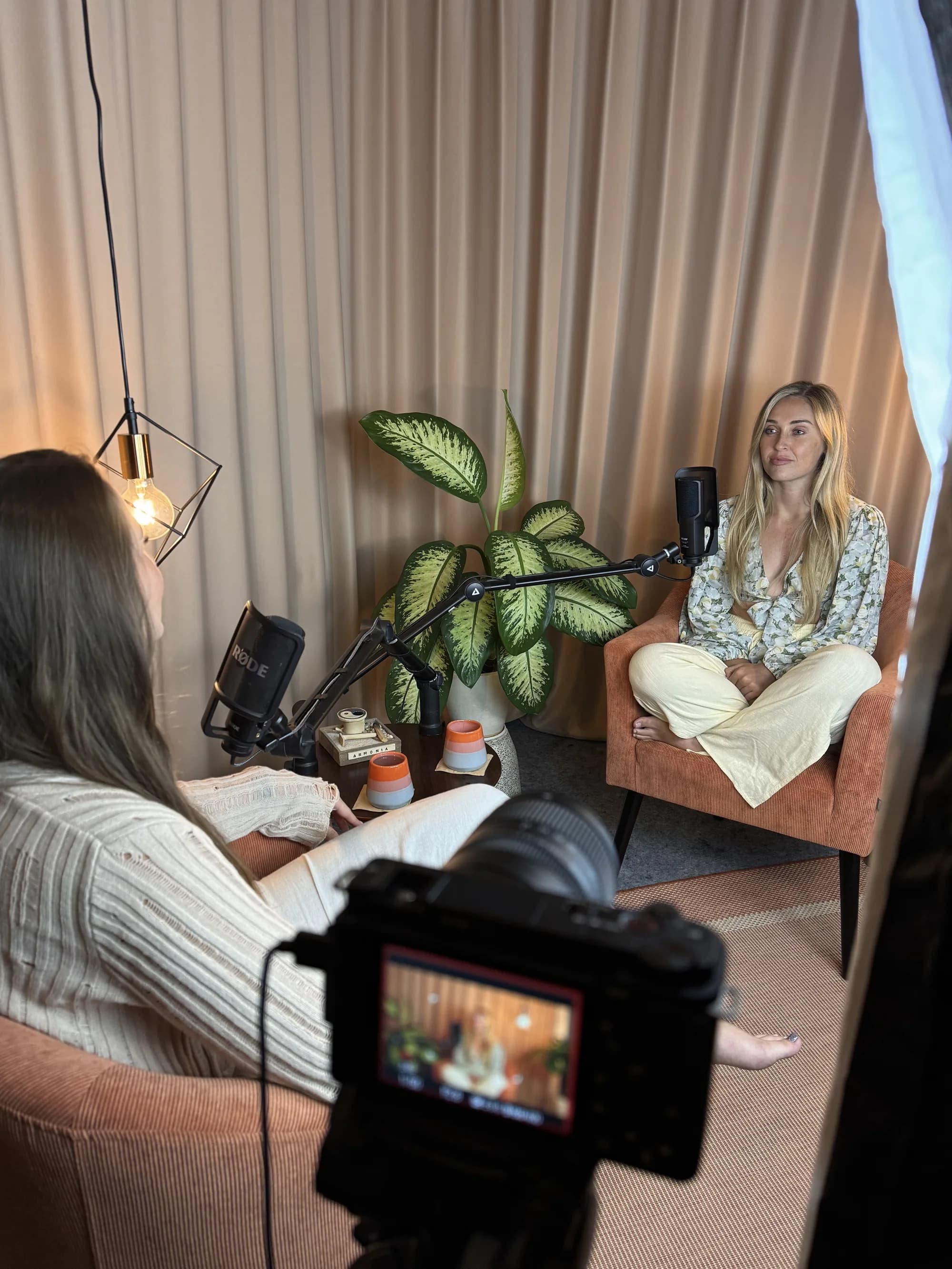
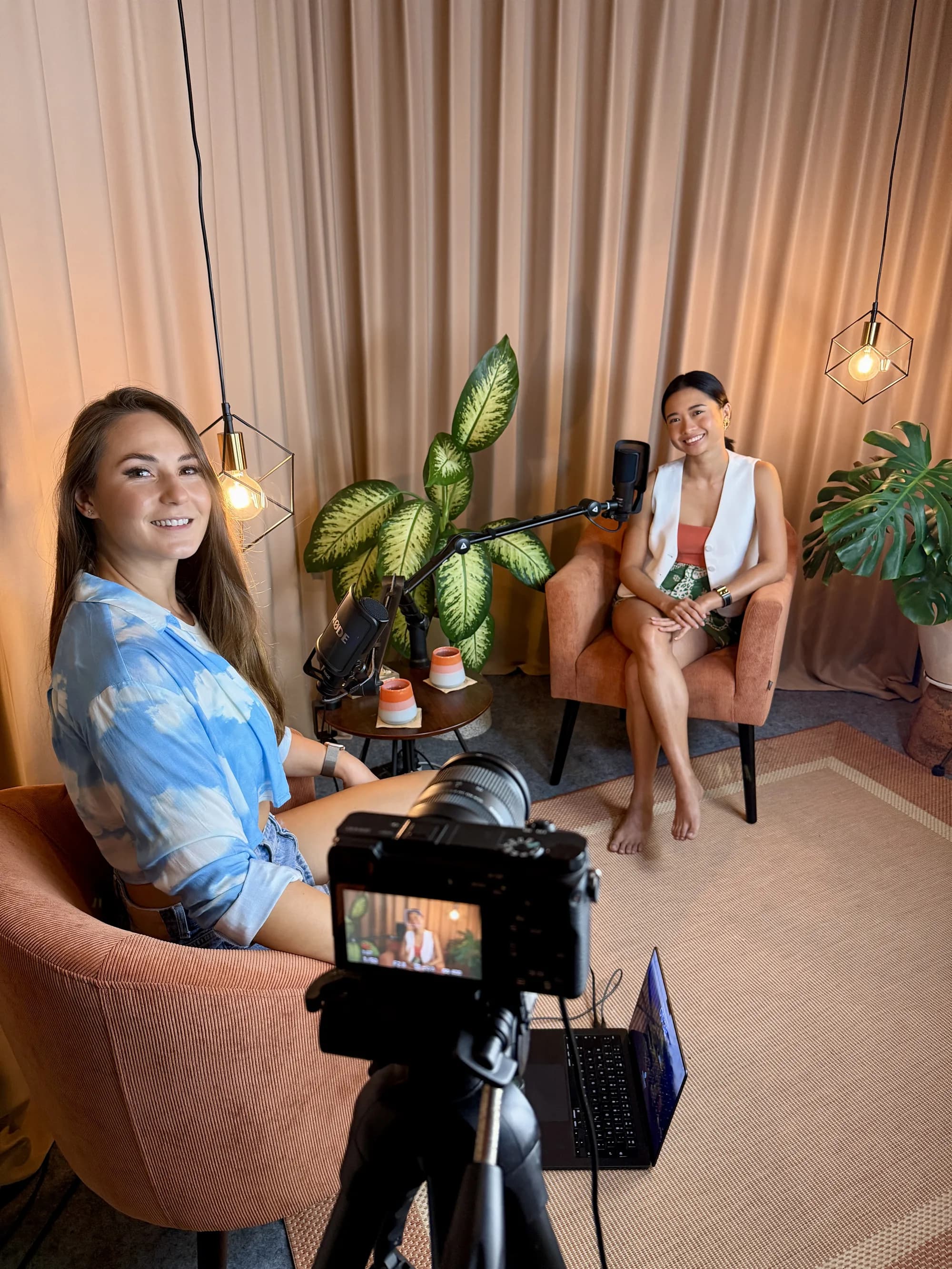
On this episode, I'm joined by Grace, a sales expert and keynote speaker who has built thriving businesses from scratch—including a fully booked renovation company in a foreign country where she didn't speak the language. She teaches what she calls connection-driven sales: a refreshingly human approach that honors both your values and your bottom line. If you've ever felt uncomfortable selling, this conversation will change how you think about the whole thing.
You're Already a Natural Salesperson—You Just Don't Know It Yet
Here's what most people get wrong: they think sales is a skill only certain people are born with. Extroverts. Men. People with "natural charisma."
The truth is simpler. Sales is a learnable skill, just like cooking or driving. And you've been using it your whole life without realizing it.
Think back to when you were a kid convincing your parents to let you go to a sleepover, or trading a chocolate with a friend. You were already doing it—finding common ground, showing them the benefit, making a connection.
"We are all born natural salespeople. We already know how to do it and you know how to connect."
The problem isn't that you can't sell. It's that you've been taught only one way—the aggressive, masculine way—and it doesn't fit who you are.
This week, notice one moment when you naturally persuaded someone or got them excited about an idea. That's sales. Own it.
Master Both the Art and the Science of Selling
Sales has two parts, and you need both.
The art of sales is the empathy, the warmth, the storytelling. It's what makes people like you and trust you enough to listen. As women, we're often naturally wired for this—we're sensitive to others' emotions, nurturing, good at reading the room.
The science of sales is the structure, the strategy, the pricing, the confidence. It's what shows people you know your stuff. It's the framework that keeps you anchored when emotion takes over.
When you have only art, you're too soft—you don't close deals. When you have only science, you come across as robotic and pushy. Together, they create something magnetic.
Grace shared a powerful example: before every sales call, she reminds herself that her job is to help the person reach their own decision—whether that decision includes her or not.
"I'm here to help this person arrive at their own decision. Whether that solution includes me or not is a completely different matter."
This shifts everything. You stop trying to close a client and start trying to solve a problem. You detach from the outcome, which paradoxically makes you more persuasive.
This week, go into one conversation (sales or otherwise) with the sole intention of finding the best solution for the other person. Notice how the energy changes.
Price Confidently by Separating Your Worth From Your Price
One of the biggest mistakes I see is the idea of "charging your worth."
Grace is against it—and for a good reason. Your worth as a human is infinite and can't be put into a dollar amount. Your price is simply a reflection of the value, transformation, and support you're giving someone. Nothing more.
Here's the reality: if you're getting more than 50% yes responses to your offers, you're probably too cheap. Some resistance is healthy. It means you're in the right ballpark.
But pricing isn't one-size-fits-all. Grace adjusts her rates for Indonesian women she works with because USD pricing doesn't make sense for their currency. She's not "undercharging"—she's being thoughtful.
When you get a price objection, don't panic and slash your rates. Instead, ask: What specifically are you thinking about? Often the real objection isn't price at all. It's trust, timing, or priorities.
If someone says "It's too expensive," dig deeper. If it's genuinely about money, you have options—tiered pricing, payment plans, or a referral. But don't assume the objection is what it seems.
This week, calculate the 10x rule: Is the problem you solve worth 10 times the price you charge? If yes, you're in the sweet spot. If no, either raise your price or get clearer on your value.
Handling Objections Means Getting Curious, Not Getting Defensive
When a prospect says "Let me think about it," most salespeople back off. But that's often not the real objection—it's a polite deflection.
Grace's approach: stay warm, stay curious, and ask what they'll be thinking about. This gives them permission to be honest with you, and it gives you real information to work with.
She shared an example: a client said he'd decided not to join her program. Instead of accepting that, she sent a voice note asking what sparked the change of mind. He revealed he'd reallocated the budget to lead generation instead. Now she understood—it wasn't about her or her offer, it was about his priorities.
So she kept inviting him to free workshops. No pressure. No hard sell. Because the door wasn't closed; it was just timing.
The same goes for "It's not the right time." Ask: When would be the right time? If they give you a vague answer, they're probably not serious. If they give you a specific timeline, follow up then. You've just turned a no into a future yes.
This week, when you get an objection, pause and ask one curious question instead of defending your offer. Listen for what's really going on.
Sales doesn't have to feel pushy, salesy, or inauthentic. When you balance the warmth of genuine connection with the confidence of a solid structure, you create something that serves everyone—your client gets a real solution, and you get to build a business on your terms.
The work isn't to become someone else. It's to bring more of yourself to the conversation.
Listen to the full episode for Grace's five-step sales call framework, her thoughts on the Tony Robbins "12-hour timer" tactic, and how your attachment style in relationships shows up directly in how you sell.